







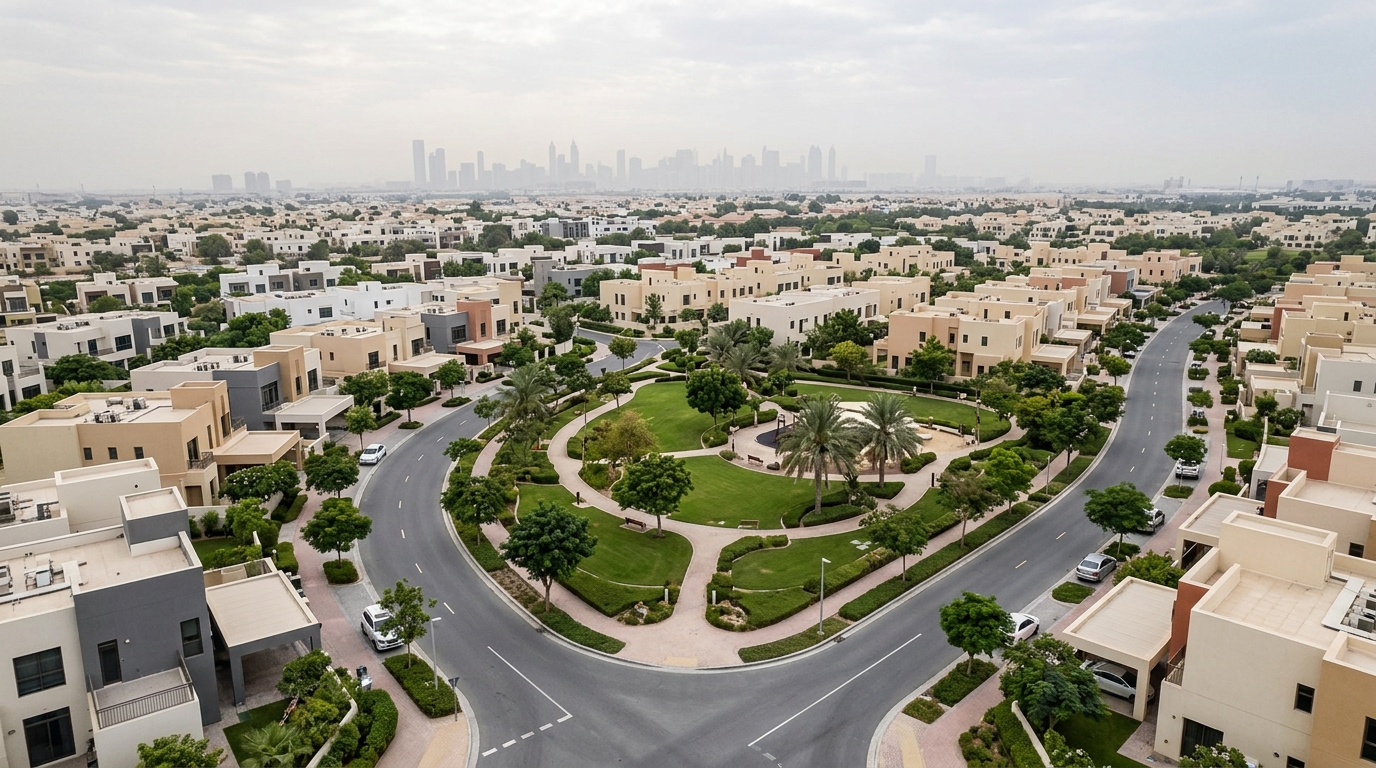
Gulf Indian High School sits in Dubai's Al Garhoud district, directly adjacent to the Dubai Metro Red Line corridor. Parents selecting neighbourhoods near Gulf Indian High School must weigh a three-minute commute against the larger plot sizes and lower rents available a few kilometers out. Evaluating exact transit distances, housing formats, and rental rates across the seven surrounding areas resolves the choice.
Key Takeaways
- Immediate proximity. Al Garhoud stands out among neighbourhoods near Gulf Indian High School by offering the shortest commute within 0 to 3 kilometers of the campus.
- Low tuition costs. Annual school fees range from AED 4,989 to AED 9,434, making nearby budget housing in Al Qusais a practical match for families.
- Short travel times. Abu Hail provides lower rental entry points with driving routes to the school taking under 15 minutes in standard traffic.
- Suburban housing. Villa-focused areas like Al Twar sit 4 to 6 kilometers away, whereas Mirdif lies 8 to 11 kilometers southeast of the campus.
- Coastal location. Al Mamzar sits 8 to 12 kilometers northeast of the school, offering mid-rise apartment towers near park facilities along the Sharjah border.
Top 7 Neighborhoods Near Gulf Indian High School
1. Al Garhoud
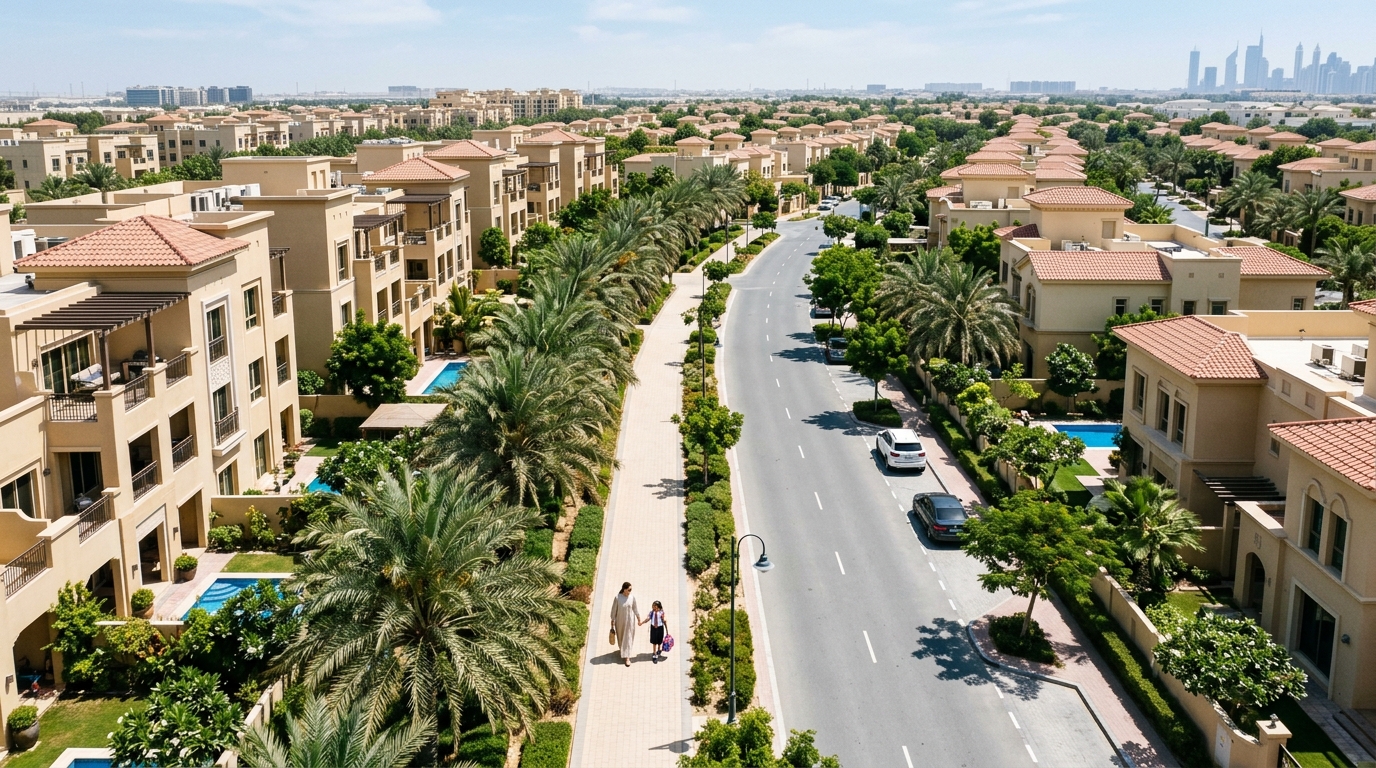
Sitting directly around Gulf Indian High School, Al Garhoud offers the shortest daily commute within 0 to 3 km. Housing consists of low- to mid-rise apartment blocks, hotel apartments, and private villa compounds. Serviced by Dubai Metro Red Line stations along the airport corridor, it fits families and school staff looking to eliminate long travel times.
2. Al Twar
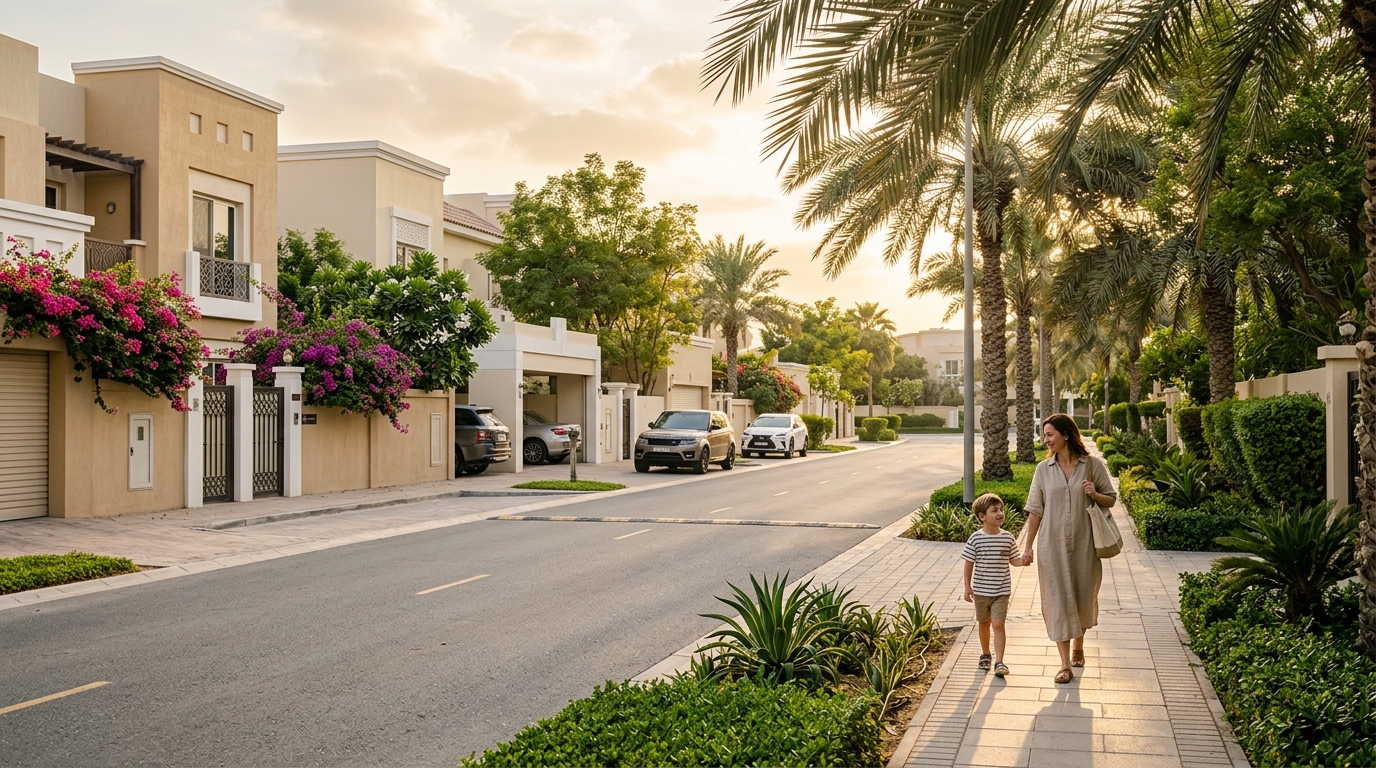
Located 4 to 6 km southeast of the school, Al Twar provides a quiet residential setting dominated by standalone villas and low-rise properties. The area attracts families needing larger plots while maintaining a direct drive to Al Garhoud. Its suburban roads keep school drop-offs straightforward during peak morning hours.
3. Al Qusais
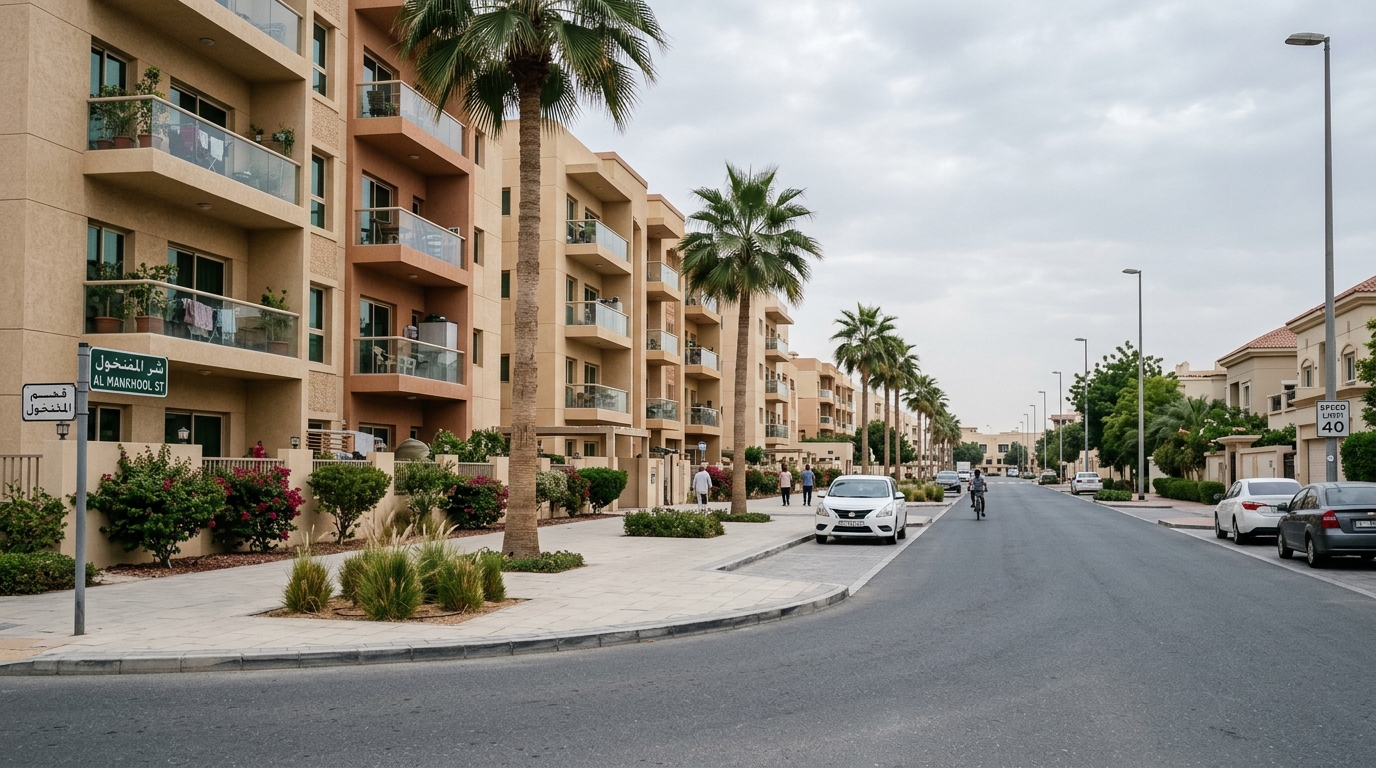
Budget-conscious households often select Al Qusais, situated 5 to 7 km east of the campus. Its housing stock includes mid-rise apartment buildings, villa units, and established residential blocks. This neighborhood offers broader layout options for renters who want extra square footage within a short drive of the school.
4. Deira
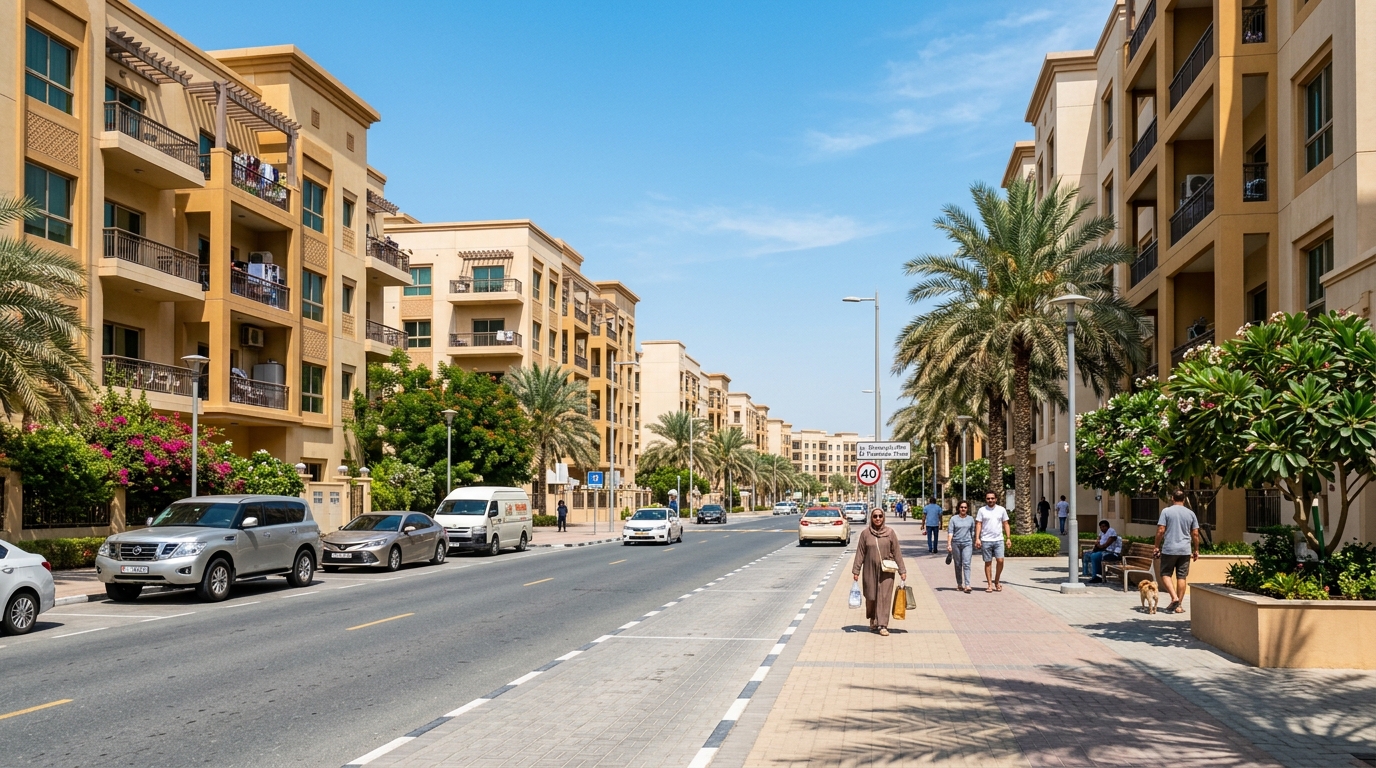
Deira sits 6 to 10 km west of Gulf Indian High School, functioning as a major commercial and residential hub. Accommodation mostly consists of urban apartment buildings close to traditional retail markets and key transit corridors. It suits parents working in older trade districts who need direct access back toward central Al Garhoud.
5. Abu Hail
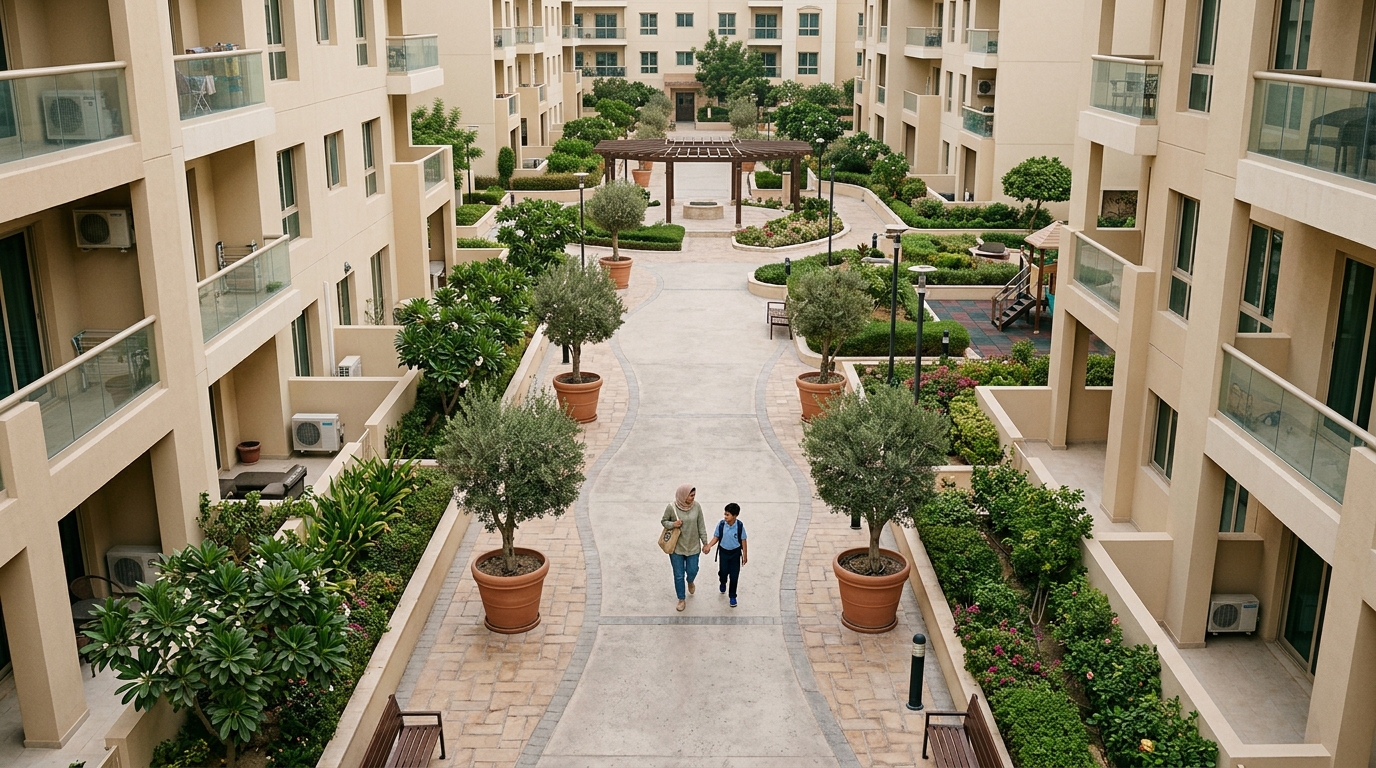
Positioned between Deira and the northern coastal area, Abu Hail features apartment-heavy residential layouts and low-rise housing. The area caters to value-oriented families who require lower rental entry points near main bus and road networks. Its central position keeps commute times to the school under 15 minutes in typical traffic.
6. Mirdif
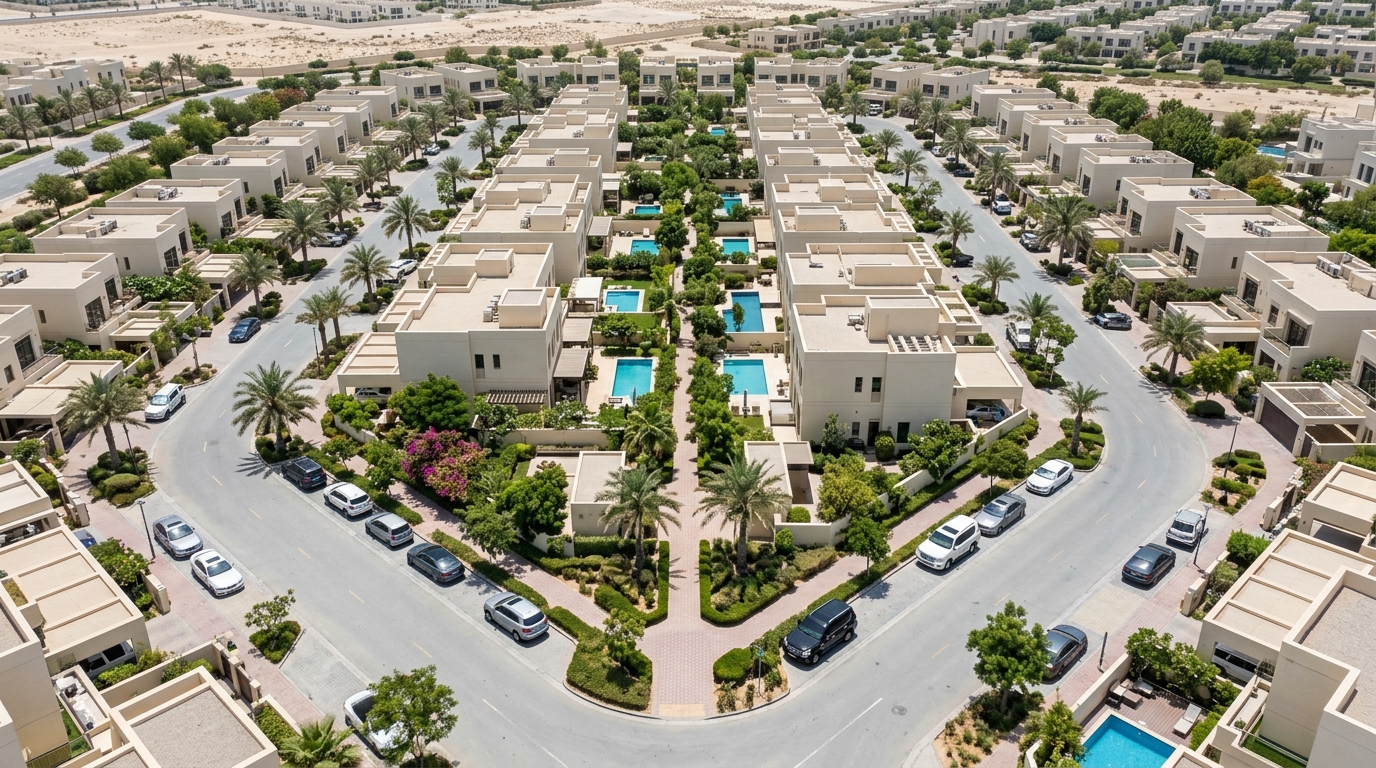
For families desiring a suburban environment, Mirdif sits 8 to 11 km southeast of the school campus. The property mix focuses on detached villas, townhouses, and low-rise apartment clusters. Parents trade a slightly longer drive for private gardens, suburban parks, and residential gated communities.
7. Al Mamzar
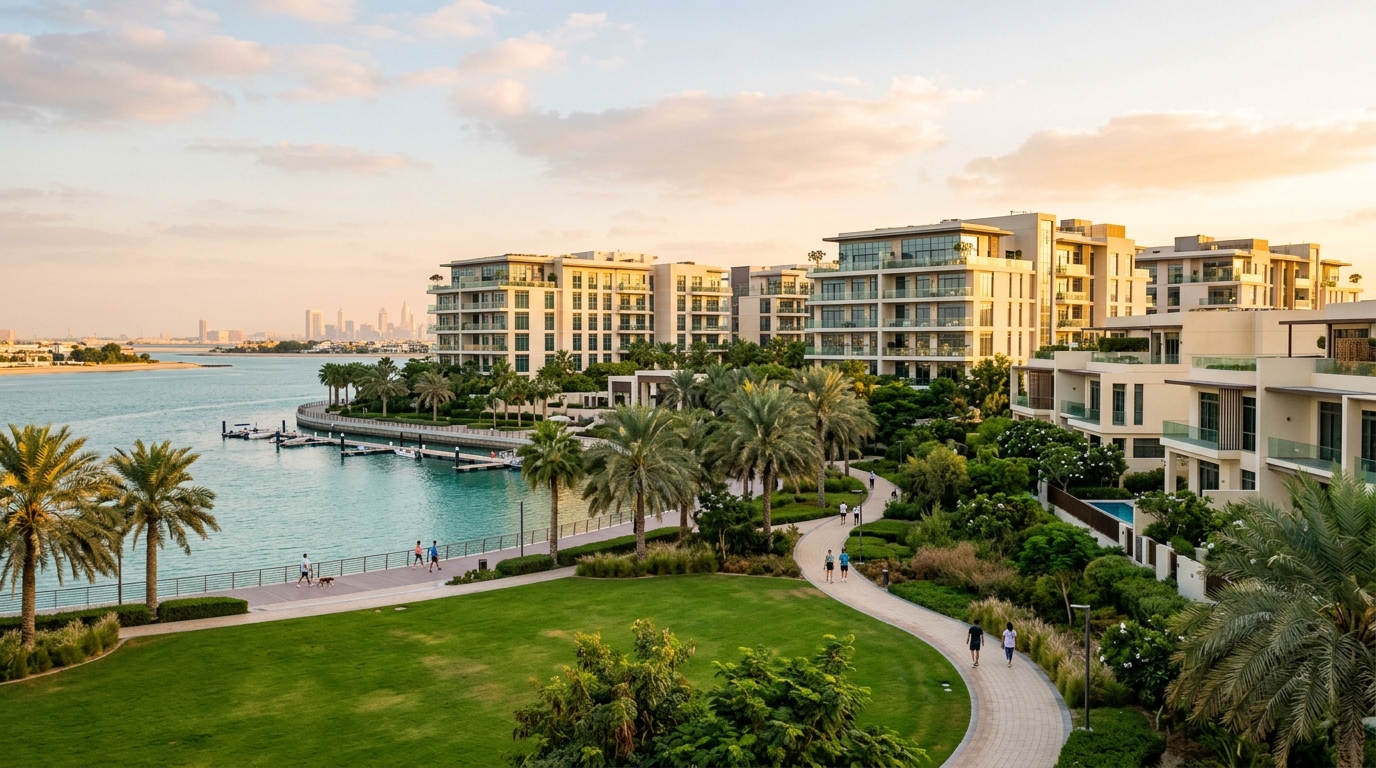
Al Mamzar occupies the coastal zone 8 to 12 km northeast of Al Garhoud, featuring mid-rise apartment towers and select villa pockets. Residents gain access to coastal park facilities along the Sharjah border. It appeals to households looking to balance daily school commutes with seaside open space.
How to Compare These Neighborhoods Near Gulf Indian High School
Selecting the right location near Gulf Indian High School requires balancing daily travel times, building types, and total living expenses against annual tuition costs that range from AED 4,989 to AED 9,434.
- Commute distance versus peak traffic: Living in Al Garhoud keeps you within 0 to 3 kilometers of the school, cutting daily transit times to a minimum. Areas situated further east like Mirdif (8 to 11 kilometers away) or Al Qusais (5 to 7 kilometers away) trade proximity for lower rental rates or larger square footage, adding 20 to 35 minutes to peak morning trips.
- Housing type and spatial layout: The surrounding housing options divide sharply between urban apartment districts and low-density suburban zones. Deira, Al Garhoud, and Abu Hail supply mid-rise apartment units close to Dubai Metro Red Line stations, whereas Mirdif and Al Twar consist mostly of standalone villas, townhouses, and gated compounds.
- Overall financial alignment: Gulf Indian High School attracts budget-conscious families due to its KHDA-published fee structure capping under AED 9,500 per year. Pairing low school fees with high-rent villa districts in Mirdif can distort household budgets, while apartment communities in Al Qusais or Deira help maintain low cumulative annual costs.
- Community environment and density: Established urban areas like Deira and Abu Hail deliver high commercial density, dense street retail, and quick access to city services. Suburban developments like Mirdif and residential pockets in Al Twar provide community parks, lower traffic volumes, and immediate access to suburban retail hubs.
Families looking to simplify their relocation can rely on StatGlobal for professional property advisory and housing search services tailored to their residential and educational preferences.
Maya Patel's Take
Balancing Gulf Indian High School's low annual fees with real estate selection comes down to trading physical square footage for travel time. I advise time-sensitive parents to target Al Garhoud for near-zero commutes, whereas households needing larger villa layouts achieve far better rental efficiency in Al Twar or Al Qusais just a few kilometers away.